What Are CNC Milling Services? A Complete Guide for Manufacturers
In today’s competitive manufacturing landscape, precision, efficiency, and consistency are critical to success. CNC milling services play a vital role in helping manufacturers produce complex parts with high accuracy and repeatability. Whether you are in automotive, aerospace, medical, or consumer goods, CNC milling has become an essential process for delivering quality components at scale. This guide explores everything manufacturers need to know about CNC milling, from its process and benefits to applications and how to choose the right service provider.
What Are CNC Milling Services?
CNC (Computer Numerical Control) milling is a subtractive manufacturing process that uses computer-controlled machines to remove material from a solid workpiece. The process involves rotating cutting tools that shape the material into the desired design based on pre-programmed instructions.
Unlike traditional manual machining, CNC milling offers:
- Automated precision
- Consistent output
- Reduced human error
- Faster production cycles
Manufacturers rely on CNC milling to create parts with tight tolerances and complex geometries that would be difficult or impossible to achieve manually.
How CNC Milling Works
The CNC milling process involves several key steps to transform raw material into a finished component:
1. Design Creation
Engineers create a CAD (Computer-Aided Design) model of the part, defining its dimensions, features, and specifications.
2. Programming
The CAD file is converted into CAM (Computer-Aided Manufacturing) instructions, which guide the CNC machine on tool paths and cutting operations.
3. Machine Setup
The operator secures the workpiece and selects the appropriate cutting tools based on the material and design requirements.
4. Milling Operation
The CNC machine executes the programmed instructions, removing material layer by layer to form the final product.
5. Finishing and Inspection
After machining, the part may undergo finishing processes such as polishing or coating, followed by quality inspection to ensure accuracy.
Types of CNC Milling Machines
Different types of CNC milling machines are used depending on the complexity and scale of production:
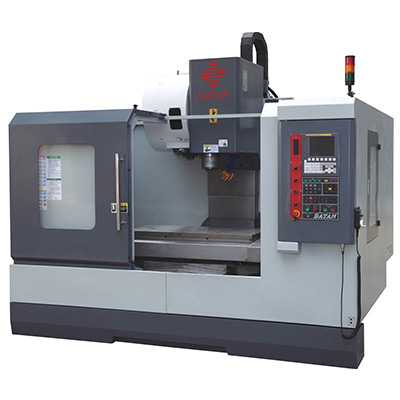
- Vertical Milling Machines
Ideal for precision work and smaller components. - Horizontal Milling Machines
Suitable for heavy-duty operations and large parts. - 3-Axis CNC Machines
Basic machines used for simple geometries. - 4-Axis and 5-Axis Machines
Advanced systems capable of producing highly complex parts with multiple angles.
Benefits of CNC Milling in Manufacturing
The growing demand for precision engineering has made CNC milling services indispensable across industries. Here are some key advantages:
High Precision and Accuracy
CNC machines can achieve extremely tight tolerances, ensuring consistent quality in every part.
Increased Productivity
Automation allows for faster production with minimal downtime, improving overall efficiency.
Versatility
CNC milling can work with a wide range of materials, including:
- Metals (aluminum, steel, titanium)
- Plastics
- Composites
Cost-Effectiveness
While the initial setup may require investment, CNC milling reduces labor costs and material waste over time.
Repeatability
Once programmed, CNC machines can produce identical parts in large quantities without variation.
Applications of CNC Milling
CNC milling is widely used across multiple industries due to its flexibility and precision:
Automotive Industry
- Engine components
- Transmission parts
- Custom prototypes
Aerospace Industry
- Aircraft structural components
- Precision brackets and housings
Medical Industry
- Surgical instruments
- Implant components
Electronics Industry
- Circuit board housings
- Heat sinks
Industrial Manufacturing
- Machine parts
- Tooling and fixtures
Materials Used in CNC Milling
Choosing the right material is crucial for achieving desired performance and durability. Common materials include:
- Aluminum: Lightweight and corrosion-resistant
- Steel: durable for heavy-duty applications
- Brass: Excellent machinability and aesthetic finish
- Plastics: Cost-effective and versatile for various uses
Each material requires specific tooling and machining parameters to ensure optimal results.
Key Considerations When Choosing CNC Milling Services
Selecting the right service provider can significantly impact product quality and production efficiency. Here are some important factors to consider:
Experience and Expertise
Look for a provider with proven experience in your industry and the ability to handle complex projects.
Technology and Equipment
Advanced CNC machines, including multi-axis systems, ensure better precision and faster turnaround.
Quality Assurance
Ensure the company follows strict quality control measures and industry standards.
Customization Capabilities
A reliable partner should offer tailored solutions based on your design and production requirements.
Turnaround Time
Timely delivery is critical in maintaining your production schedule and meeting market demands.
Future Trends in CNC Milling
The future of CNC milling is driven by innovation and technological advancements:
- Automation and Robotics: Enhancing efficiency and reducing manual intervention
- AI Integration: Optimizing machining processes and predictive maintenance
- Sustainable Manufacturing: Reducing waste and energy consumption
- Advanced Materials: Expanding capabilities with new composites and alloys
These trends are shaping the next generation of manufacturing, making CNC milling even more efficient and reliable.
Why Manufacturers Prefer CNC Milling Service
Manufacturers choose CNC milling because it combines precision, speed, and scalability. It enables businesses to:
- Reduce production errors
- Improve product quality
- Accelerate time-to-market
- Maintain competitive advantage
By leveraging modern CNC technology, companies can meet evolving customer demands while maintaining cost efficiency.
As industries continue to evolve, the demand for precision manufacturing solutions is only increasing. CNC milling services provide manufacturers with the tools and capabilities needed to produce high-quality components efficiently and consistently. From design flexibility to advanced automation, CNC milling remains a cornerstone of modern manufacturing.
Looking to enhance your manufacturing process with precision-engineered components? Partner with experts who understand your requirements and deliver reliable results. Get in touch today to explore customized CNC milling solutions tailored to your business needs and take your production capabilities to the next level.

0 Comments on "What Are CNC Milling Services? A Complete Guide for Manufacturers"